
Why the Right Survey Method Matters
Underground services are a common cause of delays, safety incidents, and unplanned costs. Inadequate surveying can result in services being missed, incorrectly located, or assumed to be more accurately defined than they actually are. Choosing the right survey method is therefore not just a technical decision, but a practical one that directly affects safety, programme, and cost control.
A well-selected survey approach provides clarity, reduces uncertainty, and allows designers and contractors to plan works with confidence. It also supports compliance with health and safety requirements by demonstrating that underground risks have been properly considered.
Understanding the Different Survey Options
There are several methods available for identifying underground utilities, each suited to different levels of risk and detail. Records-based searches are often used at early stages to provide an initial understanding of known services, but they rely on third-party information that may be incomplete or outdated. For this reason, they should be seen as a starting point rather than a reliable representation of what is actually on site.
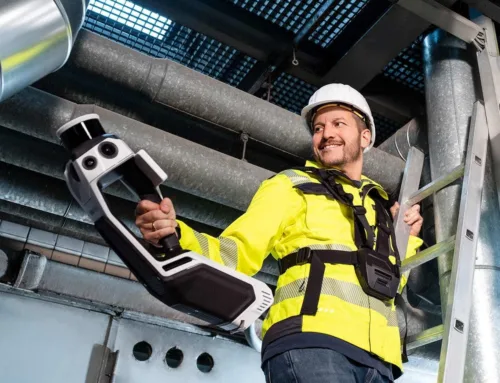
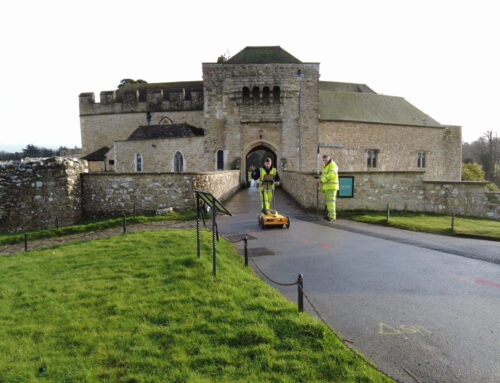
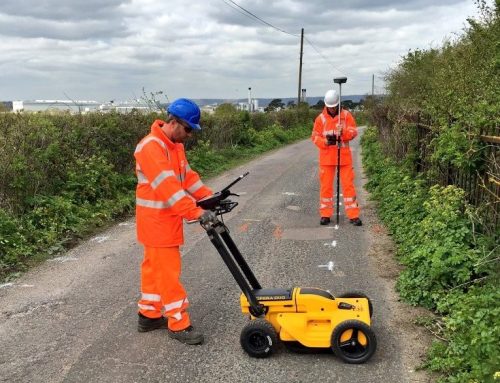
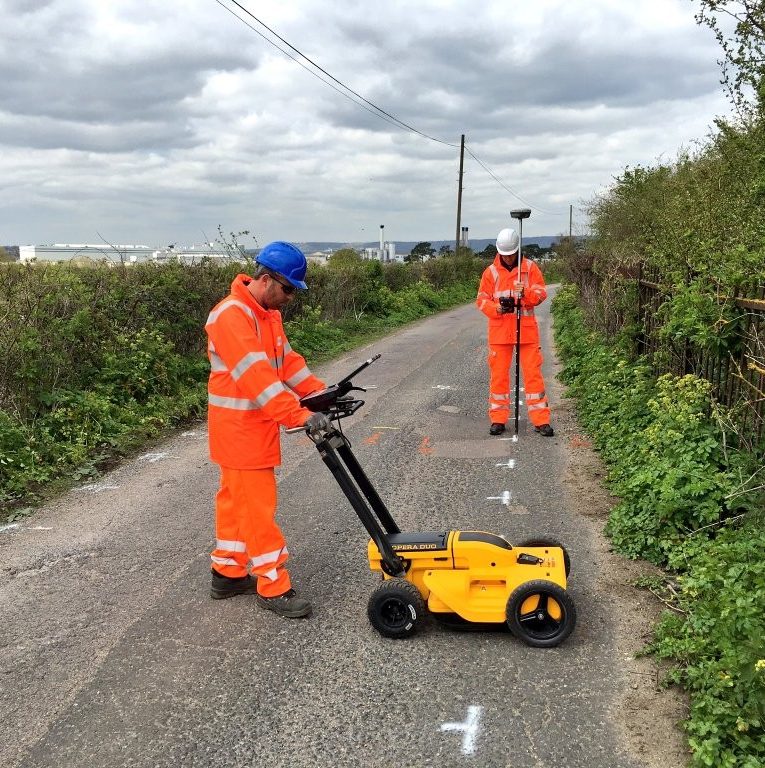
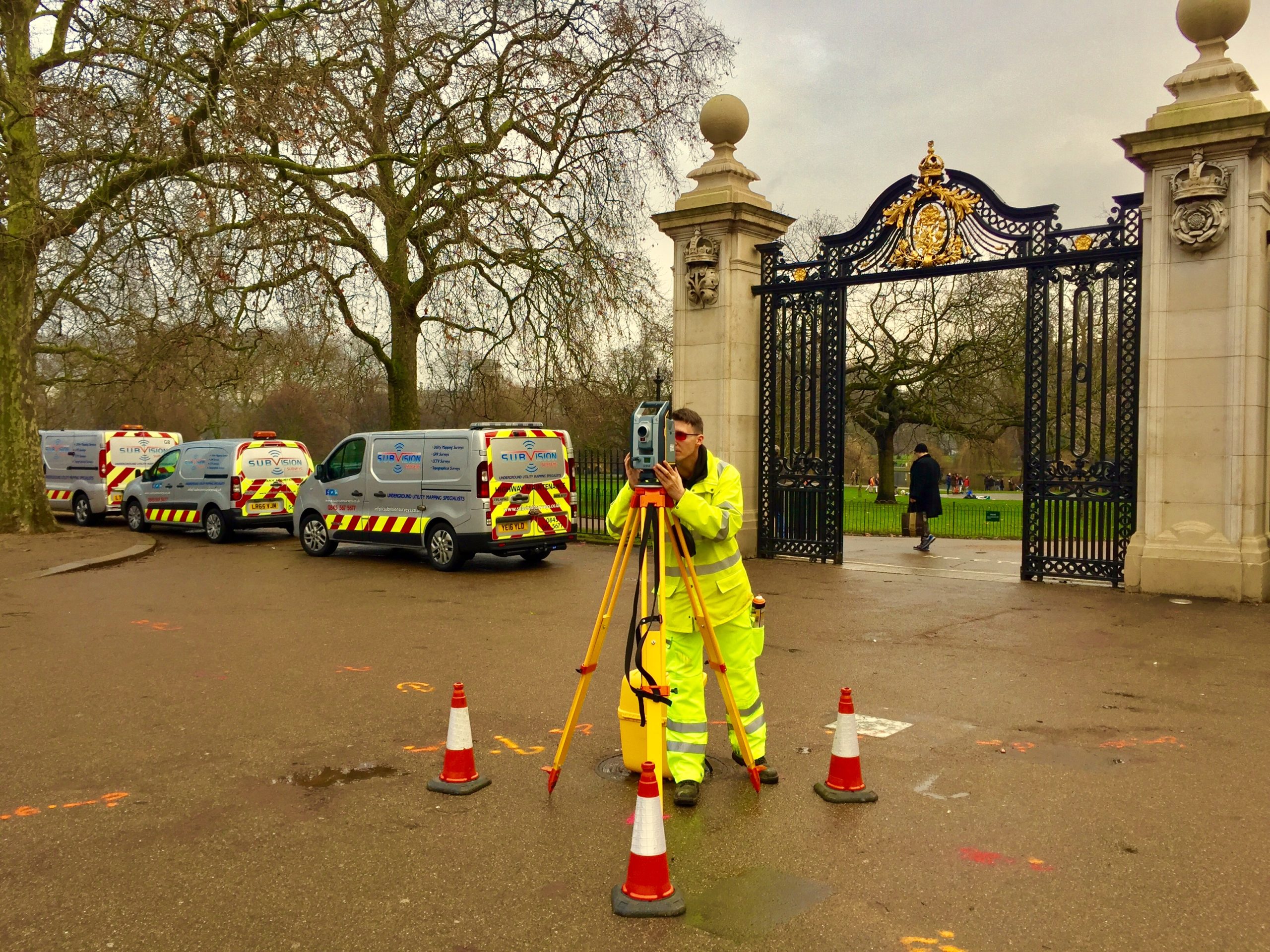
On-site detection surveys use specialist equipment to locate services in real time. Electromagnetic location tools are effective for tracing metallic and conductive utilities, while ground penetrating radar can detect both metallic and non-metallic features and identify changes in ground conditions. In higher-risk areas, targeted verification through trial holes or visual inspection may be required to confirm findings and achieve the necessary level of confidence.
Matching the Survey to the Project and Site
The most suitable survey method will depend on the nature of the project and the stage at which the survey is carried out. Early feasibility and design work may only require broad information to inform layouts and constraints, whereas pre-construction surveys need to focus on accuracy and verification in areas where ground disturbance will occur.
Site conditions also have a significant influence on what can be achieved. Surface finishes, access restrictions, soil type, depth of services, and levels of congestion all affect detectability. Older or heavily developed sites often contain undocumented or abandoned utilities, increasing the importance of selecting a survey method that reflects these complexities rather than relying on a standard approach.
Balancing Detail, Cost, and Risk
While more detailed surveys generally provide greater accuracy, they also require additional time and investment. The aim should be to strike a balance between the level of detail required and the risks associated with the works. Over-specifying a survey can be inefficient, while under-specifying one can lead to far greater costs later through delays, redesigns, or service strikes.
A targeted approach, focusing higher levels of investigation in high-risk areas, often provides the most effective outcome. This allows project teams to manage risk sensibly while maintaining control over budgets and programmes.
The Importance of Expert Advice
Choosing the right underground survey method is closely linked to the experience and judgement of the survey provider. A competent surveyor will assess the project objectives, site conditions, and proposed works before recommending an appropriate approach. They should be able to clearly explain the limitations of each method and how findings will be reported and used.
At Subvision Surveys, survey methods are selected based on the specific requirements of each project, with a focus on accuracy, transparency, and practical application. The aim is always to provide information that supports informed decision-making and safer project delivery.