
Locating chimney flues accurately is essential for both renovation and safety purposes. Misidentifying their location can lead to costly and dangerous mistakes, such as drilling into a flue, which can cause structural damage and pose serious safety risks. Accurate detection and mapping of chimney flues are crucial to avoid these issues and ensure that renovations and repairs are carried out efficiently and safely.
Sub-surface Voiding and Chimney Flue Challenges
Sub-surface voiding refers to gaps or voids that may exist within the structure of a building, including areas surrounding chimney flues. These voids can occur for various reasons, such as natural settlement, construction issues, or erosion. Detecting these voids early is crucial to maintaining the structural integrity of the building. Voids around chimney flues can lead to structural weaknesses and potential failures, making it imperative to accurately locate and assess these areas before undertaking any construction or renovation work.
Void Detection Using Ground Penetrating Radar (GPR)
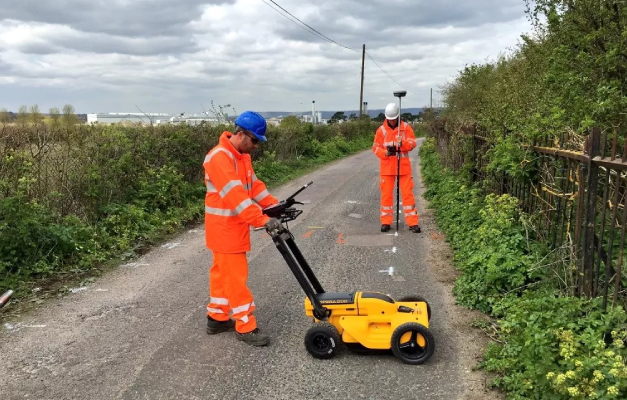
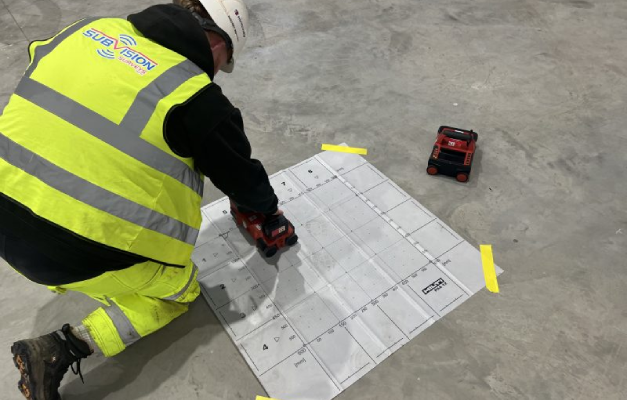
Ground Penetrating Radar (GPR) provides a non-destructive method to accurately locate chimney flues above ground. GPR works by emitting radar pulses into the ground and recording the reflected signals to create a detailed image of the subsurface. By scanning on a regular orthogonal grid, GPR can pinpoint the exact position of flues, even in complex structures. This method allows for precise detection without the need for invasive procedures, reducing the risk of damage to the structure.
Benefits of GPR for Chimney Flue Detection
Using GPR to locate chimney flues offers several benefits:
- Non-destructive: GPR is a non-invasive method that does not require drilling or demolition, preserving the integrity of the structure.
- Accurate: GPR provides precise location and path information for chimney flues, ensuring that renovations and repairs are carried out correctly.
- Comprehensive: GPR can detect not only the flues themselves but also any surrounding voids or structural anomalies that may impact the building’s stability.
- Cost-effective: By avoiding unnecessary drilling and reducing the risk of damage, GPR can save time and money during renovation projects.
Detection of Chimney Flues
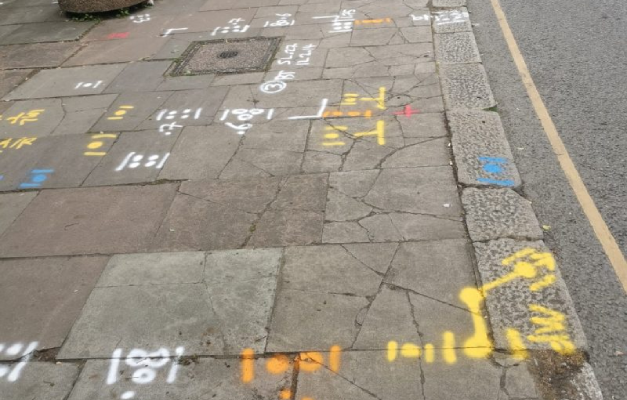
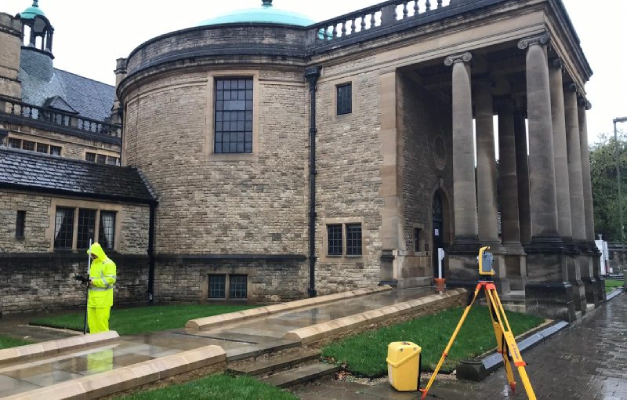
Using GPR, we can identify the precise location and path of chimney flues, ensuring safe and efficient renovations or repairs without unnecessary drilling or demolition. The GPR survey involves scanning the area on a regular orthogonal grid, which allows for a comprehensive assessment of the subsurface. The data collected is then analysed to create detailed images and maps of the flues and any surrounding voids or anomalies. This information is crucial for planning and executing renovation projects safely and effectively.
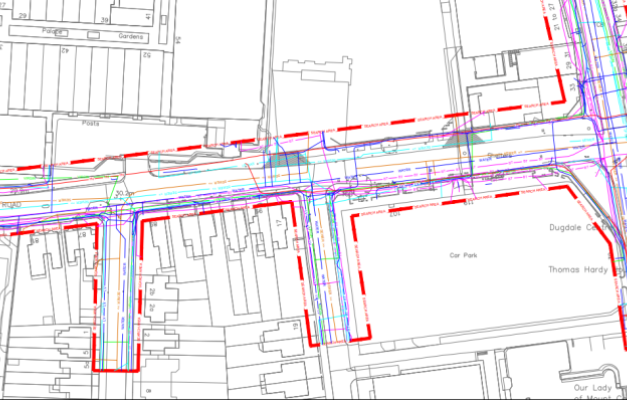
- Our GPR surveys deliver detailed reports and CAD drawings that illustrate the exact location and dimensions of chimney flues within the structure. The deliverables typically include:
- Detailed Reports: Comprehensive reports that describe the findings of the GPR survey, including the location and path of chimney flues and any detected voids or structural anomalies.
- CAD Drawings: Accurate CAD drawings that map the exact position and dimensions of the chimney flues, providing a clear visual representation of the subsurface.
- Recommendations: Based on the survey results, we provide recommendations for safe and efficient renovations or repairs, helping you to avoid potential issues and ensure the stability of the structure.
need more information?
Contact us for more information on our chimney flue location services using GPR. Our team of experts is ready to assist you with your renovation and safety needs, providing accurate and reliable detection of chimney flues and subsurface voids. Ensure the safety and longevity of your structure with our advanced GPR services.



Leave A Comment