Cable Detection Survey Essex

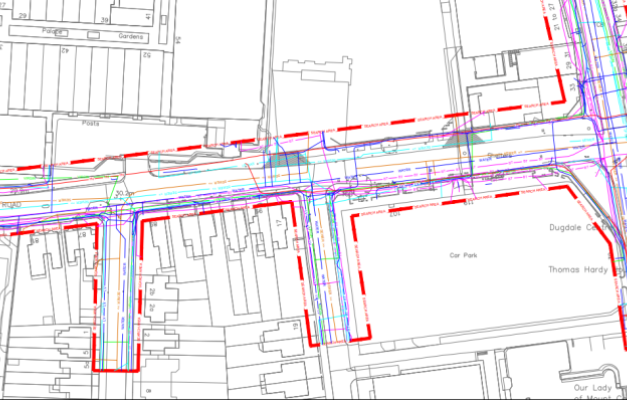
Before you dig, drill or pile on an Essex site, a cable detection survey shows where live cables and metal pipes run, so the work can be planned around them. Our surveyors trace buried services with CAT and Genny equipment, mark them on the ground and, where you need it, record them on a drawing.

Cable Avoidance on Essex Sites

Essex’s older town centres tend to have services laid in stages over many decades, often closer together and less well recorded than on newer estates. In post-war New Towns such as Basildon and Harlow, services usually follow a more regular layout, but repairs and later additions mean the original plans can’t be relied on by themselves. Either way, the survey checks what’s actually in the ground rather than trusting the records.

How the Survey Works

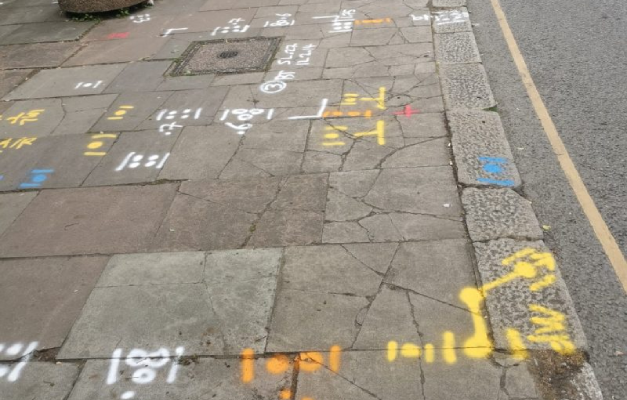
The CAT picks up the signal given off by live power cables. The Genny puts a signal onto metal pipes and cables that aren’t carrying one, so they can be traced too. Each service is marked on the ground in paint, with its depth where it can be measured, so your groundworks team can see it before they start.

When Cable Detection Isn’t Enough

A CAT can’t find plastic pipes, fibre optic cable or empty ducts, because they carry no signal. On sites where those matter, or where the records suggest a crowded mix of services, we add a GPR survey. Large parts of Essex sit on London Clay, which limits how deep GPR can see, so we use the two methods together rather than relying on either one alone. Where a client or contractor needs a quality level recorded for each service, we carry out the survey to PAS 128.

Cable Detection Across Essex

Our team is based in Essex. Chelmsford, Colchester, Braintree, Basildon and Southend-on-Sea are all within our regular working area. We carry out cable detection for contractors, developers and homeowners, and the same team can add a GPR, PAS 128 or topographical survey on the same visit if the project needs it.

Call 0333 920 9427 to discuss your survey, or ask for a quote below.
Get Your Free Quote

Click or drag a file to this area to upload.

Popular surveys trusted by industry professionals.

Popular surveys trusted by industry professionals.

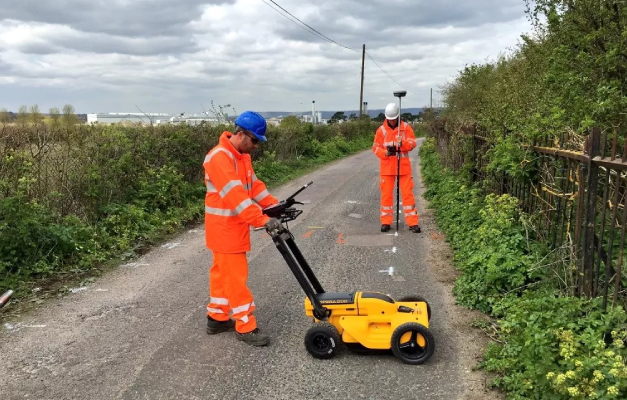
Underground utility markings sprayed on a pavement after a PAS 128 survey

PAS128 Surveys

PAS128 surveys provide accurate underground utility mapping to reduce risk and delays.

Subvision surveyors carrying out a GPR survey with a ground penetrating radar cart

GPR Surveys

GPR surveys identify hidden underground features to support safer site development works.

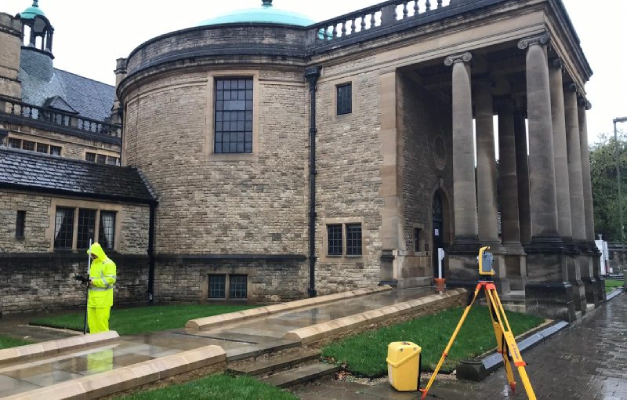
Surveyor using a total station for a topographical survey of a heritage building

Topographical Surveys

Topographical surveys provide accurate land and site data to support planning and design.

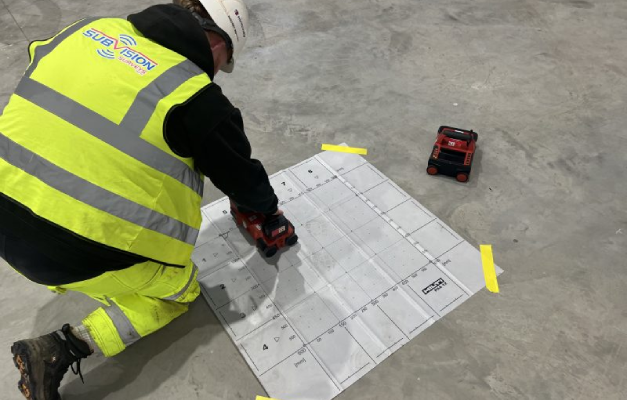
Surveyor ferro scanning a concrete floor slab over a reference grid

Ferro Scanning

Ferro scanning and GPR rebar mapping surveys locate hidden steel and concrete details.

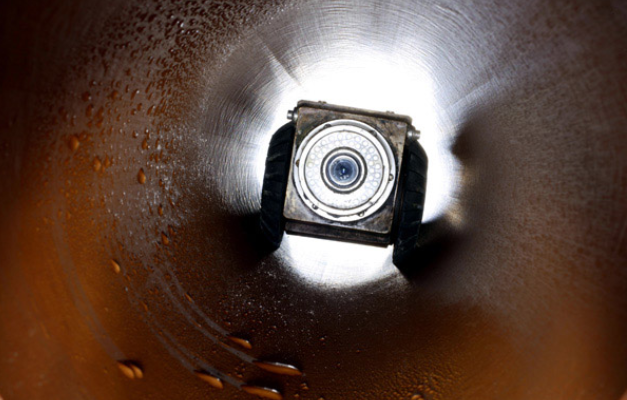
CCTV drain survey camera inspecting the inside of a drainage pipe

CCTV Surveys

CCTV drainage surveys and jetting identify blockages and assess pipe conditions fast.

Utility search pack drawing showing buried service routes on a site plan

Utility Search Packs / PAS128 Type D

Desktop utility search packs provide essential PAS128 Type D underground asset data.

CABLE DETECTION ESSEX FAQs

They’re usually the same thing. “Cable avoidance” comes from the Cable Avoidance Tool (CAT) used to find buried cables before digging. A cable detection survey uses the CAT, together with a Genny signal generator, to locate and mark live cables and metal pipes so the work can avoid them.

If you’re digging foundations, drainage or service trenches, yes. The supplies to the house, and sometimes shared runs to neighbouring properties, often sit close to where extensions are built, and they aren’t always where you’d expect from the meter or the plans.

No. The CAT only finds services that carry a signal or are made of metal. Fibre optic cable, plastic water and gas pipes and empty ducts need GPR. We’ll tell you when we quote whether GPR is worth adding for your site.

It doesn’t affect the CAT, which traces electromagnetic signals. It does affect GPR, because London Clay limits how deep the radar can see. That’s one reason we use both methods on Essex sites rather than relying on GPR alone.

Services are marked on the ground in paint as we locate them, with depths where they can be measured. If you need a record for design work or your files, we can also provide a drawing in AutoCAD DWG and PDF.

Have Any Questions?

If you have any questions regarding our services feel free to contact the Subvision team.

Subvision Surveys accreditations: QUVA ISO certification, Achilles UVDB, SafeContractor, Constructionline, Builder's Profile, European GPR Association, Avetta, SMAS, CHAS, Essex Chambers of Commerce and The Survey Association