Void Detection Using GPR

Detecting voids beneath slabs is critical for maintaining structural integrity, preventing potential failures and ensuring overall safety. Voids can develop due to factors such as settlement, erosion or inadequate construction practices, posing risks to the stability of buildings and infrastructure if left unaddressed.

Why Voids Can Be Difficult to Detect

Identifying voids beneath slabs presents a real challenge, particularly in structures where traditional inspection methods may not reliably detect hidden voids. Voids don’t always produce visible surface signs until a problem has already developed, such as cracking or subsidence, which is why Subvision Surveys uses Ground Penetrating Radar (GPR) to non-intrusively assess subsurface conditions and accurately locate voids before they become a structural issue.

How We Detect Voids Using GPR

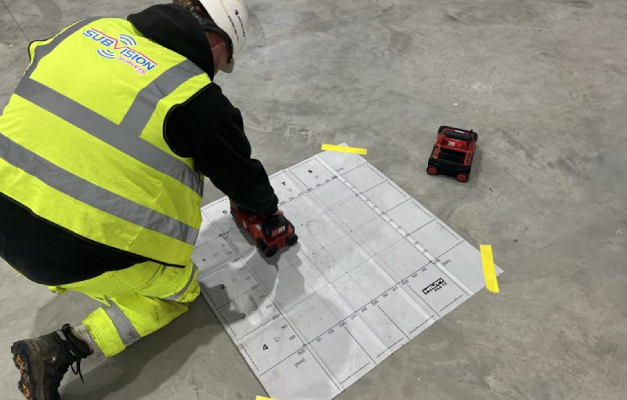
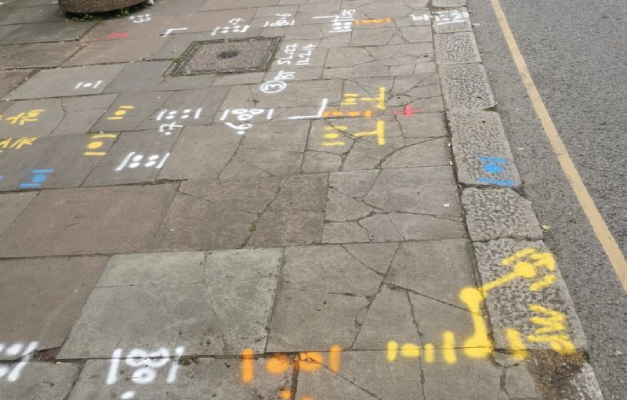
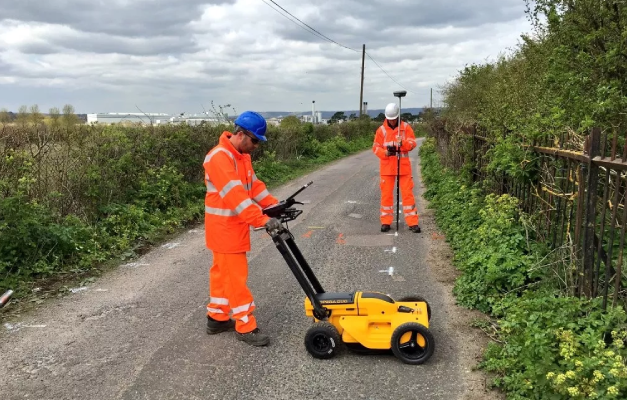
Our surveyors use GPR to emit radar pulses into the ground and analyse the reflected signals, building a detailed subsurface image that reveals the presence, location and extent of any voids. Scanning the survey area on a regular orthogonal grid ensures comprehensive coverage and precise mapping of voided areas, rather than relying on isolated spot checks that could miss smaller or less obvious voids.

What You Receive

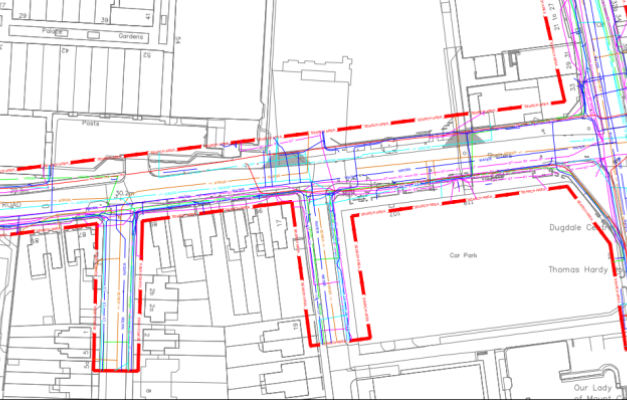
Following a survey, Subvision Surveys provides detailed reports and CAD drawings illustrating the location and extent of detected voids beneath the slab. These deliverables give property owners, engineers and construction professionals a clear visual reference and actionable insight for remediation and maintenance planning, helping you prioritise repair work based on accurate data rather than assumptions about the scale of the problem.

Why Choose Subvision for Void Detection Using GPR

Subvision Surveys is SSIP and ISO accredited, with a team of over 25 surveying professionals delivering GPR void detection surveys for property owners, engineers and construction professionals across London, the South East and nationwide. We also offer wider GPR Surveys and dedicated Void Location Surveys, which can be combined with void detection depending on the needs of your structure or project.

Contact Subvision Surveys today to discuss void detection for your project, or speak to one of our experts on 0333 920 942.
Get Your Free Quote

Popular surveys trusted by industry professionals.

Popular surveys trusted by industry professionals.

PAS128 Surveys

PAS128 surveys provide accurate underground utility mapping to reduce risk and delays.

GPR Surveys

GPR surveys identify hidden underground features to support safer site development works.

Topographical Surveys

Topographical surveys provide accurate land and site data to support planning and design.

Ferro Scanning

Ferro scanning and GPR rebar mapping surveys locate hidden steel and concrete details.

CCTV Surveys

CCTV drainage surveys and jetting identify blockages and assess pipe conditions fast.

Utility Search Packs / PAS128 Type D

Desktop utility search packs provide essential PAS128 Type D underground asset data.

VOID DETECTION FAQ’S

Voids beneath slabs can develop due to settlement, erosion or inadequate construction practices, and can compromise the structural integrity of a building or piece of infrastructure if left undetected. An unnoticed void can eventually lead to cracking, slab failure or more serious structural issues, particularly under heavy or repeated loads such as vehicle traffic or machinery. Detecting voids early allows remedial work to be planned and carried out before they develop into a more serious, costly problem, helping to maintain the safety and stability of the structure above them for the long term.

Voids beneath slabs are hidden from view and don’t always produce visible surface signs until a problem has already developed, such as cracking or subsidence. Traditional inspection methods can struggle to detect voids reliably, particularly where they’re small, irregular in shape, or located beneath thick or reinforced concrete. This is why non-intrusive technologies such as Ground Penetrating Radar have become the preferred method for accurately assessing subsurface conditions, offering a level of detail and reliability that visual inspection or guesswork simply can’t match.

GPR surveys work by emitting radar pulses into the ground and analysing the signals as they reflect back, building a detailed image of subsurface conditions that reveals the presence, location and extent of any voids. Scanning the survey area on a regular orthogonal grid ensures comprehensive coverage and precise mapping, rather than relying on isolated spot checks that could miss smaller or less obvious voids. This grid-based approach gives a reliable, repeatable method of assessing an entire slab or structure, rather than sampling only part of it.

Yes, GPR void detection is entirely non-intrusive. Radar surveys gather detailed subsurface data without drilling, cutting or otherwise disturbing the slab, meaning the integrity of the structure is preserved throughout the survey process. This makes GPR particularly useful in situations where invasive investigation would be impractical, costly or disruptive, such as on occupied buildings, live commercial premises or heritage structures. Because no physical intervention is required, a GPR void survey can typically be carried out with minimal disruption to any ongoing use of the building or site.

Following a survey, you’ll receive detailed reports and CAD drawings illustrating the location and extent of any voids detected beneath the slab. These deliverables provide a clear, actionable reference for property owners, engineers and construction professionals, supporting decisions around remediation, maintenance or further investigation. Rather than working from assumptions about the extent of a problem, you’ll have accurate, visual documentation showing exactly where voiding has occurred, helping you prioritise repair work and plan a proportionate response rather than over- or under-estimating the scale of the issue.

Subvision Surveys is SSIP and ISO accredited, with a team of over 25 surveying professionals delivering GPR void detection surveys for property owners, engineers and construction professionals across London, the South East and nationwide. Our surveyors combine hands-on GPR experience with careful interpretation of results, ensuring accurate findings even on complex sites. We also offer wider GPR, ferro scanning and concrete inspection services, which can be combined with void detection depending on the specific needs of your structure or project.

Have Any Questions?

If you have any questions regarding our services feel free to contact the Subvision team.