
RAAC Concrete
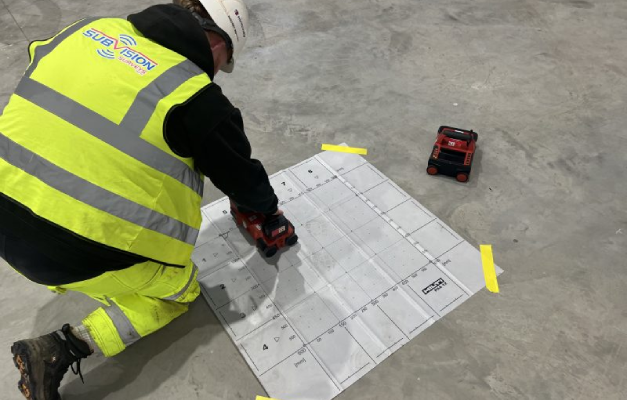
Reinforced Autoclaved Aerated Concrete (RAAC) is a lightweight building material that was widely used in roofing, flooring, and wall panels across the UK between the 1950s and 1990s. In recent years, RAAC has come under scrutiny following documented cases of structural failure, leaving many building owners uncertain whether their property contains the material and what that means for its long-term safety and maintenance.
What Makes RAAC Different from Standard Concrete
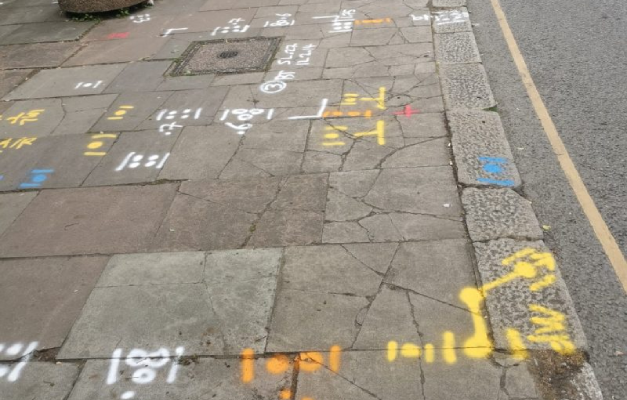
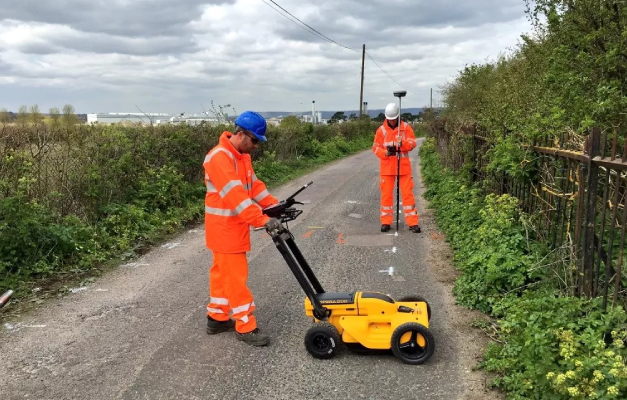
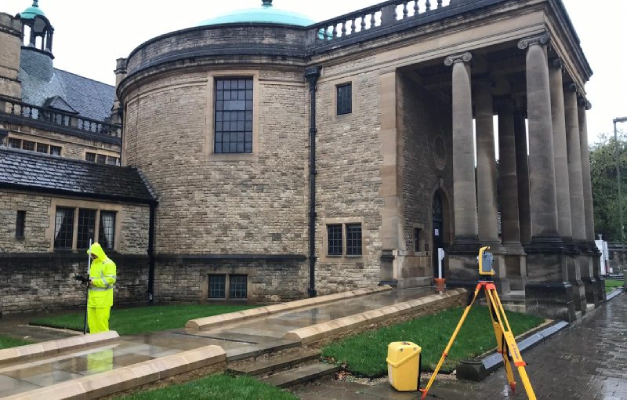
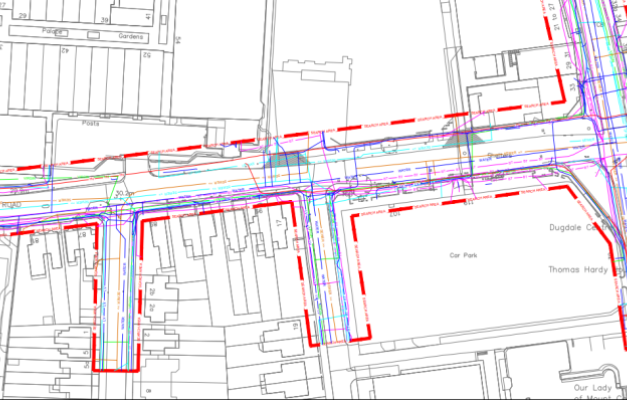
Our team uses ground penetrating radar and electromagnetic detection to map buried services and utilities along railway corridors, identifying signalling cables, drainage, and other infrastructure without the need for excavation. This is combined with topographical surveys to record levels, boundaries, and existing features across the site, giving a complete dataset for design teams working on renewals, upgrades, or new build schemes.
Identifying RAAC in Your Building
Surveys carried out on or near the railway are planned around possession windows and site-specific safety requirements, with our surveyors experienced in working within these constraints. Every survey is delivered with more than 3 decades of surveying experience behind it, using SSIP and ISO accredited processes, and Safe Contractor, CHAS, and Constructionline approved working methods — giving contractors accurate results at competitive rates without compromising on safety.
RAILWAY SURVEY FAQ’S
